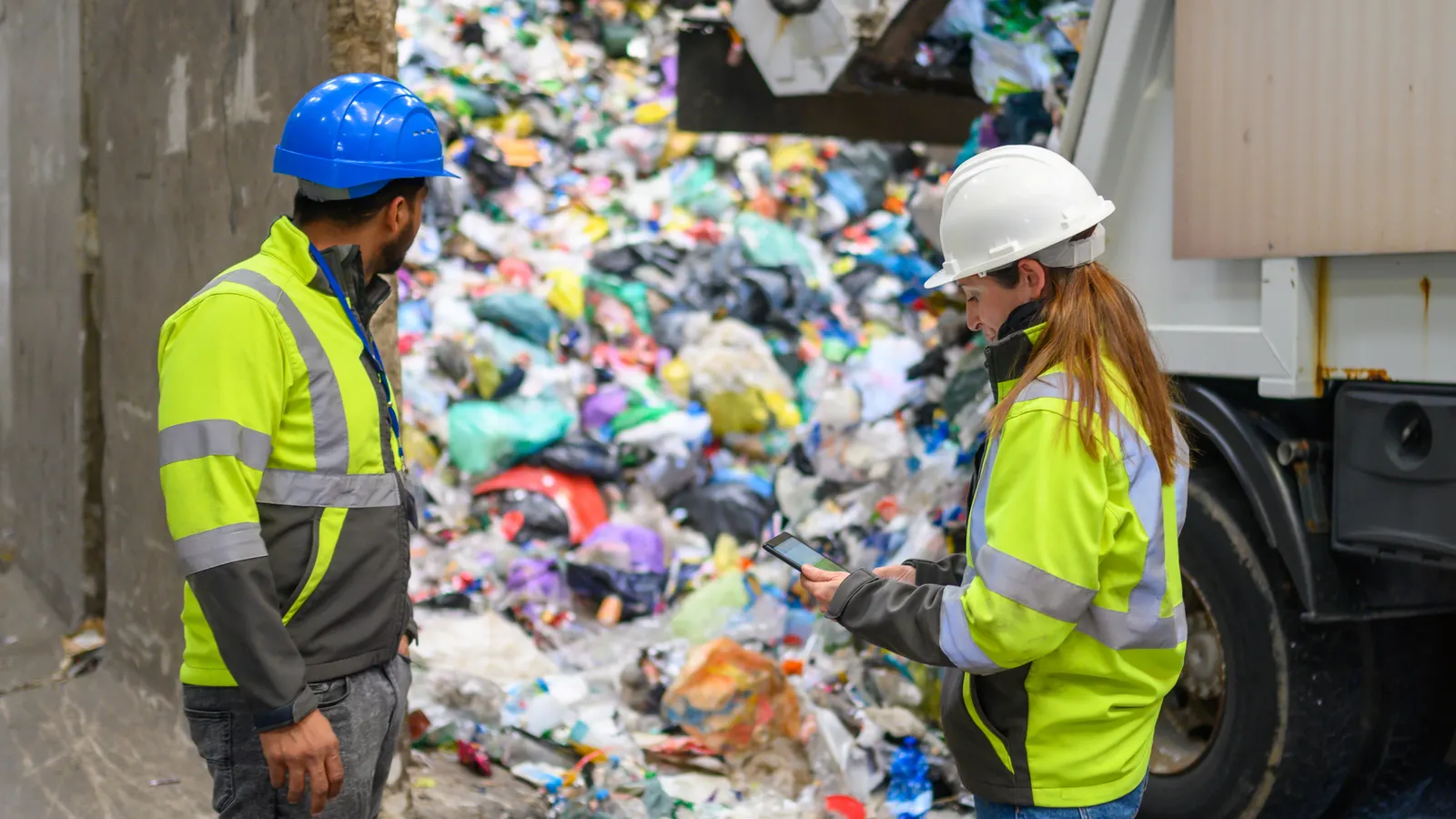
Solid waste workers experienced higher injury rates in 2024
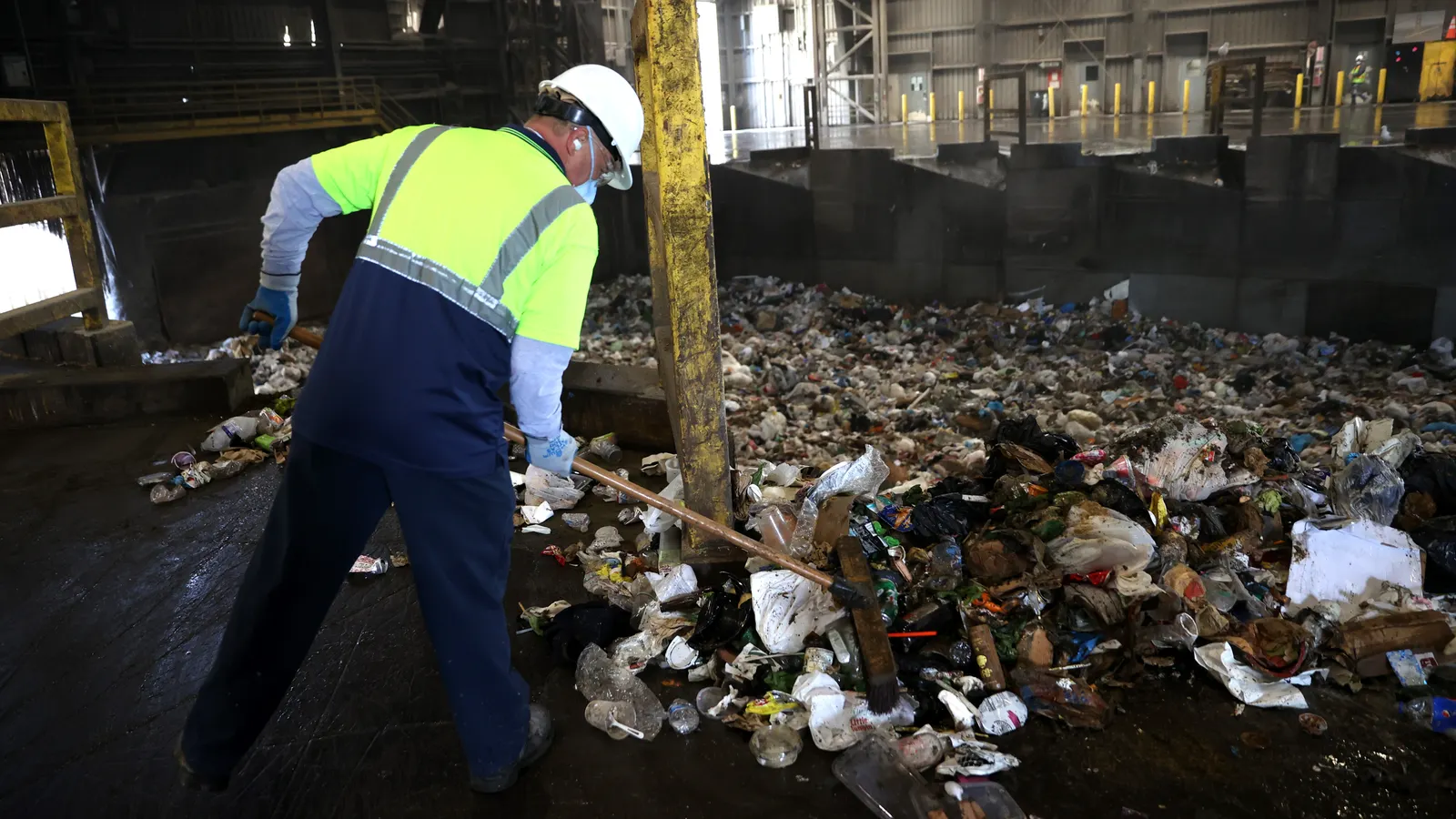
Why It Matters for ITAD
ITAD facilities handle similar heavy, sharp, and hazardous e-waste materials as solid waste, making their injury rates a leading indicator. This data underscores the need to audit physical safety protocols around manual sorting, palletizing, and CRT/battery handling to prevent costly incidents and regulatory scrutiny. The reported illness increase at landfills also highlights the importance of air quality and chemical exposure controls during e-waste shredding and processing.
Solid waste workers experienced fewer recorded illnesses in 2024, but landfill workers reported higher illness cases. BLS injury and illness data for 2024 was delayed due to the government shutdown in the fall.
Key Takeaways
- • Physical safety (cuts, strains, impacts) remains a critical operational risk in material recovery, comparable to solid waste.
- • Illness data suggests environmental controls (dust, fumes) in processing areas need regular review, especially for shredding operations.
- • Government data delays can affect compliance benchmarking; maintain robust internal safety recordkeeping regardless.